
In the fast-paced world of 2026, where demands on our time seem to multiply daily, the idea of maintaining a consistent workout routine can feel like an impossible dream. Between demanding careers, family commitments, social obligations, and the ever-present digital buzz, finding dedicated time for fitness often falls to the bottom of the priority list. However, neglecting our physical well-being isn’t a sustainable option. A persistent workout routine is not just about aesthetics; it’s crucial for stress management, offering effective stress reduction techniques, boosting energy levels, enhancing cognitive function, and safeguarding long-term health. The good news? It’s entirely achievable, even with the most packed schedule. This guide will show you how to maintain a persistent workout routine with a busy schedule.
This comprehensive guide will equip you with evidence-based strategies and practical, up-to-date tips to integrate exercise seamlessly into your busy life. We’ll explore how to redefine your approach to fitness, leverage modern tools, and cultivate habits that stick, ensuring your health remains a non-negotiable priority in 2026 and beyond. Get ready to transform your aspirations into a sustainable reality and a fulfilling sustainable fitness journey, proving that a busy schedule is no match for a determined mind.
Redefining “Workout”: Time-Efficient Strategies for 2026
The traditional image of a 60-minute gym session isn’t the only path to fitness, especially when time is a luxury. In 2026, the emphasis is on efficiency and integration, making the most of every available moment. Fitting in exercise for busy schedules is all about making the most of everyday moments and building habits that work for you, not against you.
Micro-Workouts & Movement Snacks
Forget the “all or nothing” mentality. Micro-workouts, or “movement snacks,” are short bursts of activity (5-15 minutes) scattered throughout your day. These can accumulate significant health benefits. Think of them as power-ups for your body and mind.
Morning Wake-Up: A 10-minute bodyweight circuit (push-ups, squats, planks) right after waking. These bodyweight exercises at home require no special equipment.
Lunch Break Boost: A brisk 15-minute walk around the block or a quick yoga flow in your office.
Evening De-Stress: A short stretching session or some resistance band exercises while watching TV. Incorporating strength training for busy individuals doesn’t always require a gym.
The key is consistency. Multiple short sessions can be just as effective as one long one for maintaining fitness consistency and improving overall health markers. This approach significantly reduces the perceived barrier to entry, making it easier to start and stick with.
High-Intensity Interval Training (HIIT)
For maximum impact in minimal time, HIIT remains a top strategy. HIIT involves short periods of intense anaerobic exercise followed by brief recovery periods. A 20-minute HIIT session can be incredibly effective, burning calories, improving cardiovascular health benefits, and boosting metabolism.
Example Routine:
5 minutes warm-up (light cardio)
30 seconds all-out effort (e.g., sprints, burpees, jump squats)
30 seconds rest or active recovery (e.g., walking, light jogging)
Repeat 8-10 times
5 minutes cool-down (stretching)
HIIT is perfect for busy professionals looking to maximize their workout time. It’s adaptable to various forms of exercise, from cycling to bodyweight movements, making it accessible regardless of equipment availability.
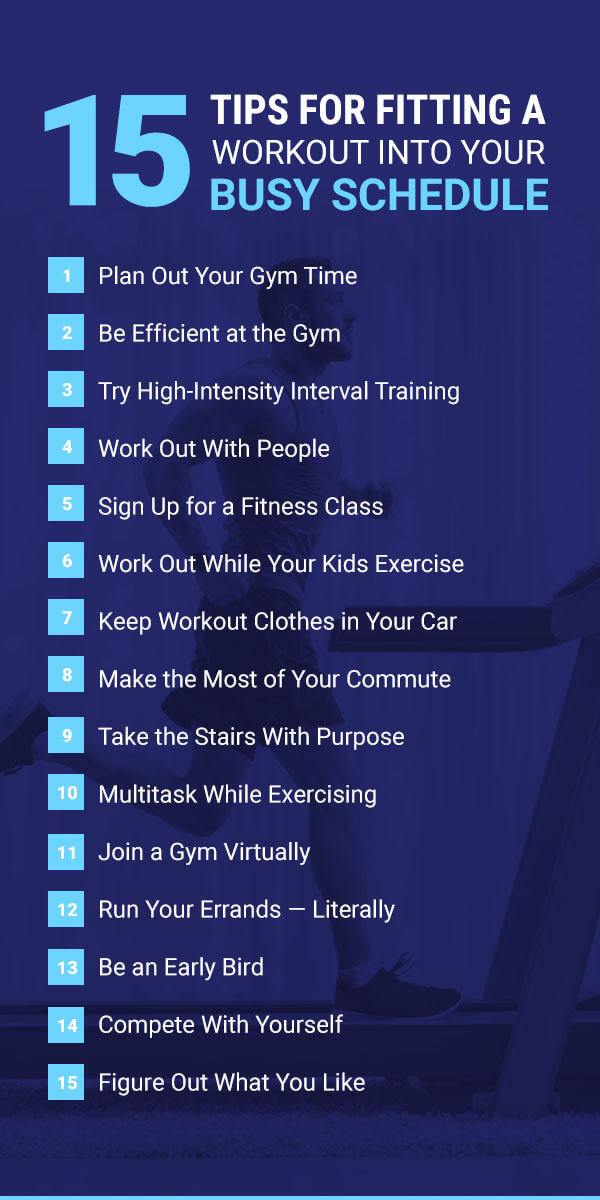
Integrating Activity into Daily Life
Exercise doesn’t always require gym clothes or a dedicated block of time. Integrating movement into your daily routine is a powerful strategy for staying active. This involves making conscious choices to move more throughout your day.
Opt for Stairs: Always choose stairs over elevators or escalators.
Walk or Bike: If feasible, walk or bike to work, errands, or appointments.
Active Commute Hacks: Park further away from your destination or get off public transport a stop early.
Standing Desks & Movement Breaks: Invest in a standing desk and incorporate regular stretch or walk breaks if you have a sedentary job. Set a timer to remind yourself to move every hour.
These small, consistent choices add up, contributing significantly to your overall physical activity levels and helping to build sustainable fitness habits.
Strategic Planning & Goal Setting: Your Blueprint for Consistency
To set yourself up for success, start by scheduling your workouts, setting specific goals, and tracking your progress. Without a clear plan, even the best intentions can falter. Effective time management strategies for fitness are crucial here. Strategic planning transforms vague aspirations into concrete actions, essential for maintaining consistency and understanding how to maintain a persistent workout routine with a busy schedule.
The Power of Scheduled Workouts
Think of your workouts as non-negotiable appointments. Scheduling your workouts in advance, just like a business meeting or a doctor’s visit, elevates their importance. This isn’t just about putting it on a calendar; it’s about committing to that time. These workout planning tips will help you optimize your schedule.
Calendar Blocking: Use your digital calendar (Google Calendar, Outlook) to block out specific times for exercise. Treat these blocks as sacred.
Prime Time Identification: Find the best time to exercise that works for your body and schedule. Are you a morning person, or do you prefer to de-stress with an evening workout? Experiment to find your optimal window.
Flexibility within Structure: While scheduling is crucial, also build in some flexibility. If you miss a session, don’t let it derail your entire week. Have a backup plan or a shorter alternative ready.
By consciously allocating time, you reduce decision fatigue and the likelihood of skipping a session when life gets hectic. This proactive approach is a cornerstone of effective time management for exercise.
Setting SMART Fitness Goals
Vague goals like “get fit” are hard to track and maintain motivation for. Instead, define realistic goals using the SMART framework: Specific, Measurable, Achievable, Relevant, and Time-bound.
Specific: Instead of “I want to exercise more,” try “I will run 3 times a week.”
Measurable: “I will run 3 miles per session,” or “I will lift weights for 30 minutes, 4 times a week.”
Achievable: Ensure your goals are challenging but realistic for your current fitness level and busy schedule. Starting with 5K is more achievable than a marathon.
Relevant: Your goals should align with your personal values and overall health objectives.
Time-bound: Set a deadline. “I will be able to run 3 miles without stopping by June 1st, 2026.”
Setting specific goals provides a clear roadmap and helps in maintaining motivation to work out. Regularly review and adjust your goals as you progress.
Leveraging Technology for Tracking Progress
In 2026, technology offers powerful tools to help you track your fitness journey, stay accountable, and visualize your progress. Tracking your progress is a major motivator and helps in identifying patterns.
Fitness Trackers & Smartwatches: Devices like Apple Watch, Garmin, or Fitbit provide real-time data on steps, heart rate, calories burned, and sleep patterns. Seeing your activity levels can be incredibly motivating.
Workout Apps: Apps like MyFitnessPal, Strava, Peloton, or custom workout planners allow you to log sessions, track personal bests, and often offer guided workouts tailored to different time constraints.
Digital Journals: Simple notes apps or dedicated fitness journals can help you record your feelings before and after workouts, noting improvements and challenges.
Visualizing your efforts and achievements reinforces positive behavior, making it easier to overcome workout barriers and stay committed.
Building Unshakeable Habits & Overcoming Barriers
Consistency isn’t just about willpower; it’s about building strong habits and proactively addressing common obstacles like procrastination and tiredness. Cultivating the right mindset shifts for fitness is key to long-term adherence. This involves a blend of environmental design, psychological strategies, and self-compassion.
Reducing Friction: Making Exercise Easy
One of the biggest hurdles to fitness consistency is friction – anything that makes starting a workout harder. Your goal should be to reduce this friction as much as possible, making exercise the path of least resistance.
Preparation is Key: Lay out your workout clothes the night before. Pack your gym bag if you’re going straight from work. Have your water bottle filled and ready.
Home Workout Zone: If you prefer working out at home, designate a small space and keep your equipment (mat, resistance bands, light weights) easily accessible. This eliminates the “getting ready to go to the gym” step.
Proximity Principle: Choose a gym or a workout location that is conveniently located to your home or office. A longer commute to the gym adds significant friction.
Simplify Choices: Don’t spend too much time deciding what workout to do. Have a few go-to routines ready, or follow a structured program.
By removing these small obstacles, you make it significantly easier to just start, which is often the hardest part. This strategy is about integrating exercise into an existing schedule by reducing friction.

Cultivating Intrinsic Motivation
While external rewards can kickstart a routine, intrinsic motivation – doing something for the inherent satisfaction of it – is what sustains it long-term. Find what you genuinely enjoy.
Explore Different Activities: Don’t force yourself into a type of exercise you dread. Try dancing, hiking, swimming, martial arts, cycling, team sports, or rock climbing. The more you enjoy it, the more likely you are to stick with it.
Focus on How You Feel: Shift your focus from external outcomes (weight loss, muscle gain) to internal benefits (increased energy, better mood, reduced stress, improved sleep, mental clarity). These immediate positive feelings are powerful motivators.
Celebrate Small Wins: Acknowledge and celebrate every workout, every milestone, no matter how small. This positive reinforcement strengthens your habit loop.
Connect with Your “Why”: Regularly remind yourself why you want to be active. Is it for your health, your family, your mental well-being? Your “why” is your anchor when motivation wanes.
Understanding and nurturing your intrinsic drive is crucial for maintaining motivation to work out even when faced with a busy schedule.
Tackling Procrastination and Tiredness
These are two of the most common adversaries to persistent workout routines. Overcoming procrastination and managing anxiety are important to maintaining consistency. A sports medicine expert offers tips on how to find the best time to exercise, how to overcome tiredness and stick to your sports routine, and how to maintain motivation to work out.
The 5-Minute Rule: If you’re procrastinating, tell yourself you only need to do 5 minutes of the workout. Often, once you start, you’ll find the momentum to continue. The hardest part is often just getting started.
Identify Triggers: Understand why you procrastinate. Is it fear of failure, perfectionism, or just feeling overwhelmed? Address the root cause.
Pre-Workout Rituals: Develop a short, enjoyable ritual before your workout (e.g., listening to a specific playlist, a quick stretch). This signals to your brain that it’s time to switch gears.
Prioritize Sleep: Tiredness is a major deterrent. Ensure you’re getting adequate, quality sleep. A well-rested body is more willing and able to exercise.
Listen to Your Body: On days you’re genuinely exhausted, it’s okay to opt for a lighter workout (e.g., a gentle walk or stretching) or even take a rest day. Pushing too hard when your body needs rest can lead to burnout or injury. Consistency doesn’t mean perfection; it means showing up most of the time.
Fuel Your Body: Proper nutrition provides the energy needed for workouts and recovery. Prioritizing nutritional support for energy is vital. Don’t underestimate the role of a balanced diet in combating fatigue.
By implementing these strategies, you build resilience against the common pitfalls that derail many fitness journeys.
Optimizing Your Environment & Support System
No one achieves lasting fitness alone. Your environment and the people around you play a significant role in your success. Cultivating a supportive ecosystem and embracing accountability can dramatically boost your fitness consistency.
The Role of Accountability Partners
Having someone to share your journey with can be incredibly powerful. An accountability partner provides external motivation and support.
Workout Buddy: Find a friend, colleague, or family member who shares similar fitness goals and schedule. You can exercise together, or simply check in with each other.
Online Communities: Join online fitness groups or forums. The sense of community and shared struggle can be a strong motivator.
Share Your Goals: Tell your close friends and family about your fitness goals. Their encouragement and understanding can make a big difference. They might even join you!
Knowing someone is counting on you, or that you need to report your progress, adds an extra layer of commitment, making it harder to skip a session.
Creating a Supportive Fitness Ecosystem
Your immediate surroundings can either facilitate or hinder your fitness efforts. Design your environment to make healthy choices easier.
Home Gym Setup: Even a small space with a yoga mat, resistance bands, and a pair of dumbbells can transform your home into a convenient workout zone, especially for busy professional workouts.
Healthy Food Environment: Stock your fridge and pantry with nutritious foods. Meal prepping can save time and ensure you have healthy options readily available, preventing energy crashes that lead to skipped workouts.
Visual Cues: Place visual reminders of your fitness goals around your home or office – a motivational quote, a picture of your ideal self, or your workout gear in plain sight. These subtle nudges reinforce your intentions.
Minimize Distractions: During your scheduled workout time, minimize distractions. Put your phone on silent, close unnecessary tabs on your computer, and communicate to family members that this is your dedicated time.
A well-optimized environment reduces mental load and ensures that your path to staying active is as clear as possible.

Professional Guidance and Adaptability
Sometimes, a little expert help can go a long way, especially when navigating a complex schedule or specific fitness goals.
Personal Trainers: A certified personal trainer can create a customized workout plan that fits your schedule, fitness level, and goals. They can also teach proper form, provide injury prevention tips, and provide consistent motivation. Many trainers now offer online coaching, which is perfect for busy schedules.
Health Coaches: A health coach can help you develop holistic strategies for nutrition, stress management, and sleep, all of which impact your ability to maintain a workout routine.
Listen to Your Body and Adapt: Life happens. There will be days when you’re genuinely too busy, too tired, or feeling unwell. Instead of giving up entirely, learn to adapt. A 15-minute walk is better than nothing. A stretching session is better than a skipped high-intensity workout. The goal is consistent effort, not perfection. This guide explores practical, realistic, and evidence-based strategies to help you make space for movement even when life feels hectic.
- Embrace Recovery: Adequate rest and recovery are just as important as the workouts themselves. This includes sleep, active recovery (light stretching, foam rolling), and mindful relaxation. Pushing too hard without recovery can lead to burnout and injury, derailing your entire routine.
Being adaptable and seeking professional guidance when needed ensures your workout routine is not only persistent but also safe, effective, and tailored to your evolving life circumstances.
Conclusion: Your Persistent Fitness Journey in 2026
Maintaining a persistent workout routine with a busy schedule in 2026 is not an elusive fantasy; it’s a tangible reality built on strategic planning, habit formation, and a redefined approach to fitness. By embracing micro-workouts, leveraging efficient training methods like HIIT, and seamlessly integrating movement into your daily life, you can significantly boost your activity levels without requiring massive time commitments.
The journey to fitness consistency begins with commitment. Schedule your workouts like crucial appointments, set SMART fitness goals to provide direction, and utilize technology to track your progress and celebrate every milestone. Proactively reduce friction, make exercise the easiest option, and cultivate intrinsic motivation by focusing on how movement makes you feel. Finally, build a robust support system with accountability partners, optimize your environment for success, and don’t hesitate to seek professional guidance when needed.
Remember, consistency trumps intensity. It’s not about being perfect every day, but about showing up most days, adapting when necessary, and continually moving forward. Your health is your most valuable asset, and in 2026, you have all the tools and knowledge to make it a priority, transforming your busy schedule into a springboard for a vibrant, active, and healthy life. Start small, stay consistent, and watch as your persistent workout routine becomes an indispensable part of your daily rhythm.