
In an era where information overload is the norm, your ability to capture, synthesize, and retrieve knowledge is your greatest competitive advantage. By 2026, the concept of a Personal Knowledge Management (PKM) system has evolved from simple note-taking into sophisticated, AI-driven ecosystems. Building a knowledge base that lasts requires more than just a digital notebook; it requires a strategy for longevity and accessibility.
Whether you are a researcher, a developer, or a creative professional, the right digital infrastructure acts as a “second brain.” This guide explores the premier tools of 2026 designed to help you organize your life’s work, ensuring that your insights remain actionable for years to come.
Why Your Personal Knowledge Base Needs an Upgrade in 2026
The primary challenge in 2026 isn’t finding information; it’s keeping it structured in a way that remains useful as your interests grow. Traditional folders are no longer sufficient. Today’s top-tier tools leverage AI-powered search, bi-directional linking, and dynamic database structures to connect ideas that might otherwise remain siloed.

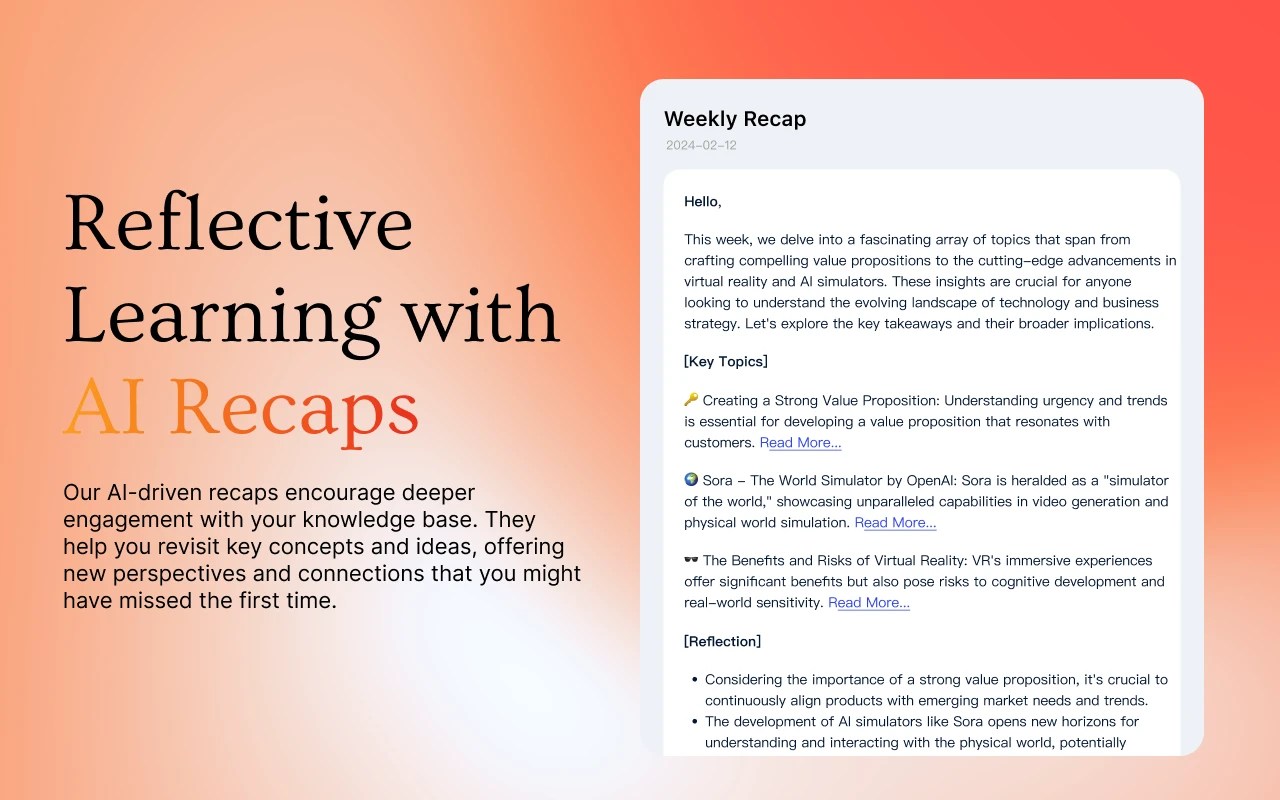
A truly resilient knowledge base is one that evolves with you. By integrating AI, these platforms can now summarize long documents, suggest connections between disparate notes, and even automate the tagging process, saving you hours of administrative friction.
Top Contenders: The Best Knowledge Base Platforms of 2026
When evaluating software for a personal knowledge base, we must look at scalability, data portability, and intelligence. Based on the latest market analysis for 2026, here are the top-performing tools.
1. Notion AI: The All-in-One Powerhouse
Notion remains the industry standard for those who want a blend of databases and free-form note-taking. In 2026, Notion AI has become deeply integrated, allowing users to query their entire workspace using natural language. It is ideal for those who value visual organization and project management alongside their notes.
2. Taskade: The AI-First Productivity Suite
Taskade has surged in popularity due to its AI agents that can autonomously organize your tasks and knowledge. If your PKM system is heavily tied to your workflow, Taskade’s ability to turn a simple note into a structured project board is unmatched. It is perfect for users who need their knowledge base to be actionable.

3. Obsidian (The “Local-First” Alternative)
For users who prioritize privacy and long-term data ownership, Obsidian continues to be the gold standard. Because your notes are stored as simple Markdown files on your local device, you aren’t dependent on a cloud provider’s uptime. With the 2026 plugin ecosystem, you can add AI capabilities that rival any cloud-based SaaS platform.
4. Guru & Slab: For Structured Information
While often marketed for teams, tools like Guru and Slab are excellent for individuals who demand high-level organization. These platforms excel at “knowledge verification,” ensuring that the information you save remains relevant and accurate over time.
How to Choose the Right Tool for Your Needs
Selecting the “best” tool is subjective. To make the right choice in 2026, consider these three criteria:
- Data Portability: Can you export your data in a standard format (like Markdown or JSON)? If a platform locks your data, it isn’t a sustainable long-term solution.
Searchability: Does the platform offer semantic search? You need a tool that understands your intent*, not just your keywords.
- AI Integration: Is the AI a gimmick, or does it actively help you synthesize information? Look for tools that offer automated summaries and smart linking.
Best Practices for a Long-Lasting Knowledge Base
Building a system that lasts requires consistency. First, adopt a “capture-first” mentality. Never let an idea slip away; if you can’t categorize it immediately, use a “Quick Notes” inbox to process it later.
Second, embrace bi-directional linking. Instead of burying notes in deep folder hierarchies, link them to other relevant concepts. This creates a “networked” knowledge base where your notes become more valuable the more you add to them. Finally, perform periodic reviews. Take time once a month to prune, update, and reorganize your notes to ensure your system remains a reflection of your current goals.
Conclusion: Investing in Your Second Brain
The tools available in 2026 have turned personal knowledge management into a superpower. By choosing a platform that prioritizes your data ownership and leverages AI to reduce manual maintenance, you are building an asset that will serve you for decades.
Whether you choose the visual flexibility of Notion, the collaborative power of Taskade, or the local-first security of Obsidian, the best tool is the one that fits your workflow seamlessly. Start small, stay consistent, and watch as your personal knowledge base transforms from a collection of notes into a powerful engine for innovation.