
In the high-velocity landscape of 2026, the ability to pivot is no longer just a soft skill—it is a competitive necessity. As AI-driven workflows and rapid market shifts become the norm, the individuals and organizations that thrive are those who treat errors not as dead ends, but as high-value data points.
Learning from mistakes is a craft that requires more than just a positive attitude. It requires a systematic framework to transform a momentary lapse in judgment into a persistent, lifelong strength. In this guide, we will explore how you can cultivate a “growth-first” mindset that turns every setback into a strategic advantage.

The Psychology of Growth: Why We Fear Failure
Human evolution has hardwired us to avoid pain, and in a professional context, “pain” often manifests as the fear of being wrong. However, in 2026, the cost of inaction is significantly higher than the cost of a mistake. Psychological safety—the belief that you won’t be punished for making a mistake—is the cornerstone of innovation.
When you reframe a mistake as a learning opportunity, you move from a “fixed mindset” to a “growth mindset.” This shift isn’t just motivational fluff; it is backed by neuroscience. By consciously analyzing what went wrong, you physically strengthen the neural pathways associated with critical thinking and problem-solving.
A Systematic Approach to Post-Failure Analysis
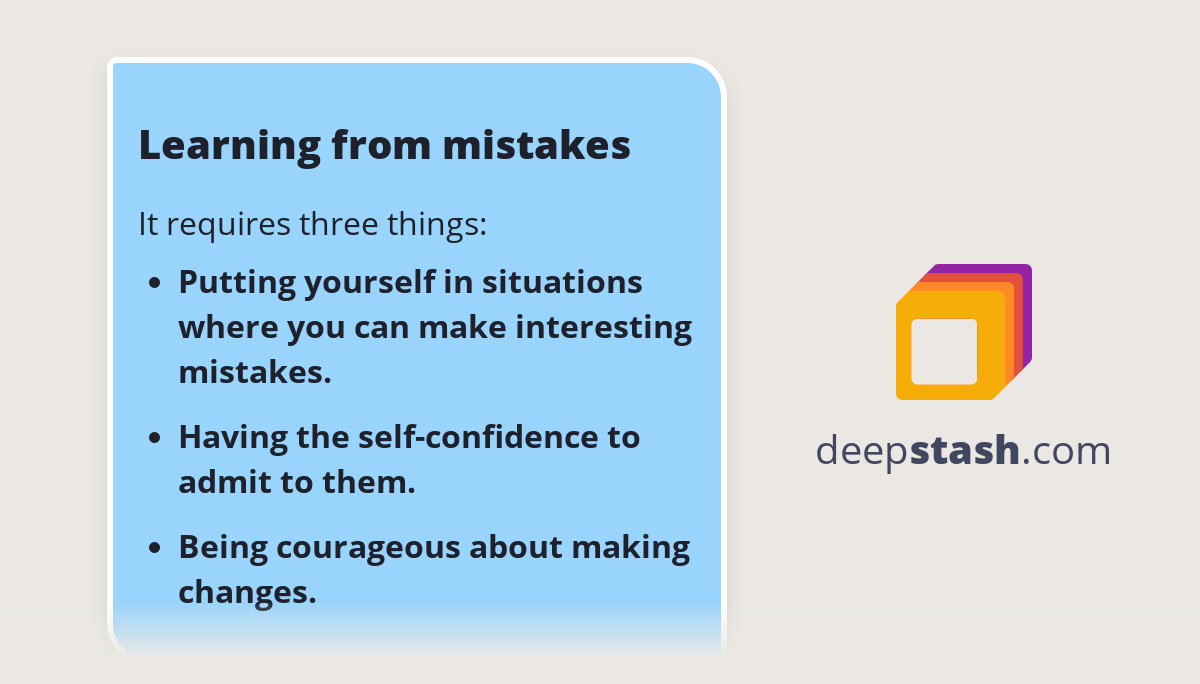
To turn a mistake into a strength, you must move beyond the emotional sting and enter the analytical phase. Follow this three-step framework to ensure you never make the same error twice:
- The “Why” Audit: Instead of asking “Why did I do this?”, ask “What systemic gap allowed this to happen?” This shifts the focus from personal shame to process improvement.
- The Extraction of Value: Every failure contains a hidden lesson. Write down one specific action you will take differently next time. Actionable insights are the only things that prevent history from repeating itself.
- The Feedback Loop: Share your findings with a mentor or peer. By articulating your mistake to others, you solidify the lesson and help your team avoid the same pitfall, turning a personal error into collective wisdom.
Visualizing Success: The Aesthetics of Improvement
Just as you curate your digital environment with creative 4K gradient illustrations or ultra HD nature images to improve your focus, you must curate your internal narrative. The way you “see” your mistakes dictates your future performance. If you view your career as a series of 8K-quality abstract experiences, you realize that even the darker, “vintage-style” failures are necessary to complete the composition of your success.
High-quality imagery reminds us that beauty and growth often come from complexity. When you feel overwhelmed by a professional error, step back. View the situation as a designer would view a screen—adjust the brightness, change the perspective, and look for the crisp, clear resolution hidden beneath the surface of the problem.
Building Resilience: The 2026 Competitive Edge
By 2026, the most resilient professionals are those who practice “active self-correction.” This is the process of identifying errors in real-time rather than waiting for an annual review. Here is how to make this a habit:
- Journal Your Wins and Losses: Spend five minutes every Friday documenting one mistake and the exact lesson derived from it.
- Embrace Radical Transparency: Admitting a mistake early builds trust, whereas hiding it creates long-term liability.
- Iterate Constantly: Treat your life like a software product. Every error is just a “bug” that needs a patch in the next update.

Cultivating a Culture of “Fail-Forward”
If you are in a leadership position, you have a responsibility to foster an environment where mistakes are treated as essential research. When a team member fails, ask: “What did this experiment teach us?”
This culture shift minimizes the time spent on blame and maximizes the time spent on iterative growth. In 2026, the speed of learning determines the speed of growth. Organizations that prioritize “fail-forward” mentalities are consistently outperforming those that cling to rigid, error-averse structures.
Conclusion: The Path Forward
Making learning from mistakes a persistent strength is not about becoming perfect—it is about becoming unstoppable. By removing the ego from the equation and focusing on the data provided by your experiences, you unlock a level of professional maturity that few attain.
Remember, every mistake is a data point in your journey toward mastery. Embrace the process, analyze the results, and continue to refine your approach. In the rapidly evolving landscape of 2026, your ability to adapt is your greatest asset. Keep learning, keep growing, and keep turning those setbacks into your most potent strengths.