
In 2026, the line between native mobile apps and Progressive Web Apps (PWAs) has effectively vanished. Users expect your web application to be lightning-fast, highly responsive, and—most importantly—fully functional without a stable internet connection. Achieving this “native-like” feel requires a robust strategy for persistent local storage.
Choosing the right storage architecture is the difference between an app that feels like a desktop website and one that feels like a premium mobile experience. In this guide, we dive deep into the best persistent storage solutions to ensure your PWA remains reliable, performant, and data-secure.
Why Persistent Storage Matters for Modern PWAs
Mobile-first development is centered on the reality of intermittent connectivity. Whether a user is on a subway, in a remote area, or simply dealing with a congested network, your app must survive. Persistent storage allows your PWA to save user-generated data, application state, and complex objects locally on the device.
Unlike standard browser cache, persistent storage is designed to survive device restarts and browser clean-up processes. By implementing a “mobile-first” storage mindset, you ensure that user inputs are never lost and that your app remains usable even when the “Offline” dinosaur appears.
The Power Duo: IndexedDB and Cache API
For professional PWA development in 2026, you shouldn’t rely on a single storage mechanism. The industry standard is a hybrid approach utilizing the Cache API and IndexedDB.
1. The Cache API: Your Static Asset Powerhouse
The Cache API is purpose-built for the request-response lifecycle. It is the perfect home for your application shell—HTML, CSS, JavaScript, and static images. By caching these assets, your PWA achieves near-instant load times, even on 3G connections.
2. IndexedDB: The Transactional Database for Data
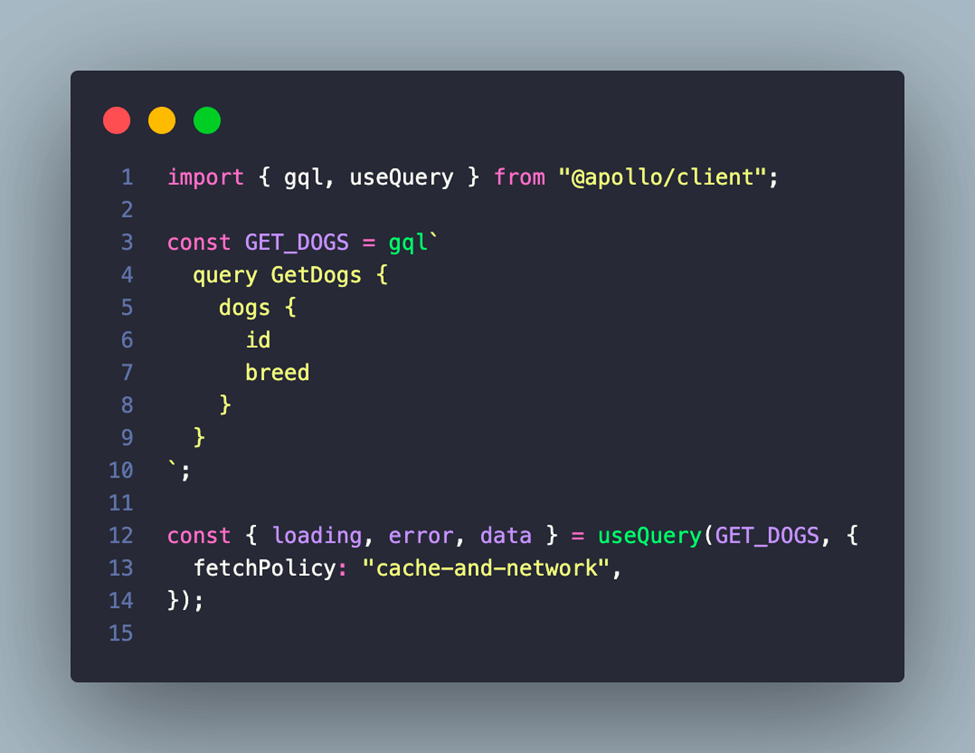
When it comes to structured, user-generated data, IndexedDB is the undisputed champion. It is an asynchronous, transactional object-oriented database that allows you to store significant amounts of data locally. Unlike `localStorage`, which is synchronous and limited in size, IndexedDB is designed for complex queries and large datasets, making it ideal for offline-first synchronization.
Implementing a Robust Offline Strategy
To build a truly resilient PWA, you must architect your data flow to handle network transitions gracefully. Here is how to structure your storage strategy:
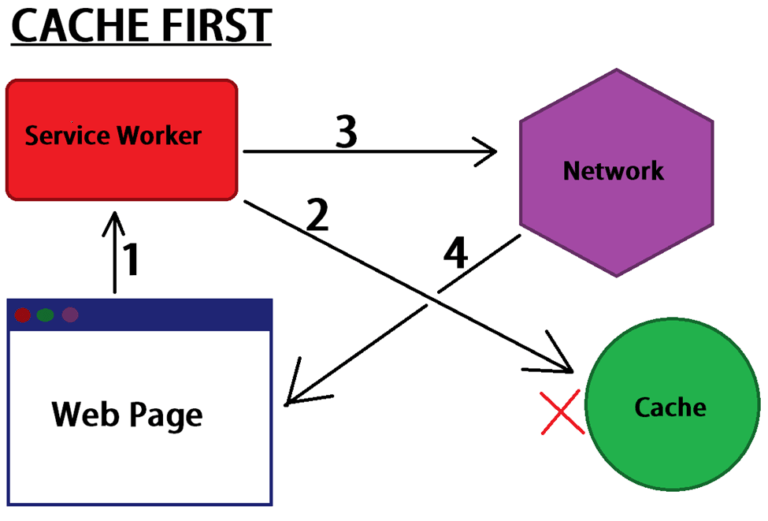
- Cache-First Strategy: For static assets, always check the Cache API first. If the asset exists, return it immediately. Only hit the network if the asset is missing or outdated.
- Stale-While-Revalidate: This pattern provides the best of both worlds. Serve the cached version to the user instantly while fetching the latest version from the network in the background to update the cache for the next session.
- Background Sync: When a user creates data offline, use the Background Sync API to queue the request. Once the device detects a stable connection, the browser will automatically push the data to your server, ensuring seamless data integrity.
Best Practices for Data Persistence in 2026
Even with the best tools, you must manage storage limits carefully. Browsers may clear data if the device is under extreme storage pressure. To mitigate this, use the StorageManager API to request “persistent” storage status.
Key Considerations for Your PWA:
- Data Deduplication: Always ensure that data stored in IndexedDB is normalized. This minimizes the footprint on the user’s device storage.
- Regular Backups: While local storage is great for performance, it is not a vault. Always implement a synchronization layer that pushes local state to a cloud backend as soon as connectivity is restored.
- Encrypted Storage: If your app handles PII (Personally Identifiable Information), ensure that the data stored in IndexedDB is encrypted at rest using the Web Crypto API.
- Graceful Degradation: Inform your users when they are offline via subtle UI cues. A PWA that communicates its state builds trust.
Choosing the Right Library
While raw IndexedDB is powerful, it can be verbose. In 2026, most developers opt for wrapper libraries to simplify implementation. IDB or Dexie.js are the gold standards for managing IndexedDB with a promise-based, developer-friendly syntax. These libraries handle the heavy lifting of versioning and transactional management, allowing you to focus on building features rather than debugging database cursors.
Conclusion: Building for the Future
The success of your PWA hinges on how well it handles data when the network fails. By combining the Cache API for performance and IndexedDB for data persistence, you create a seamless, professional-grade mobile experience.
In 2026, the best PWA is one that feels invisible—it works exactly when the user needs it, regardless of the bars on their signal indicator. Start by implementing a cache-first strategy today, and watch your user retention metrics soar as your app becomes the reliable tool they can count on anywhere, anytime.