
In the hyper-competitive landscape of 2026, the traditional annual performance review has officially become a relic of the past. Today’s high-performing organizations have shifted toward persistent feedback loops—a dynamic, real-time mechanism for communication and a cornerstone of any effective performance management system that ensures teams stay aligned, agile, and constantly evolving. If your organization is still waiting for quarterly check-ins to address performance gaps, you are already falling behind.
Persistent feedback loops are more than just a managerial tool; they are the catalyst for sustainable team growth. By fostering a strong organizational culture where constructive, actionable, respectful, and developmental feedback is exchanged daily, leaders can bridge the gap between intent and impact. In this article, we explore why these loops are the non-negotiable standard for success in the modern workplace.
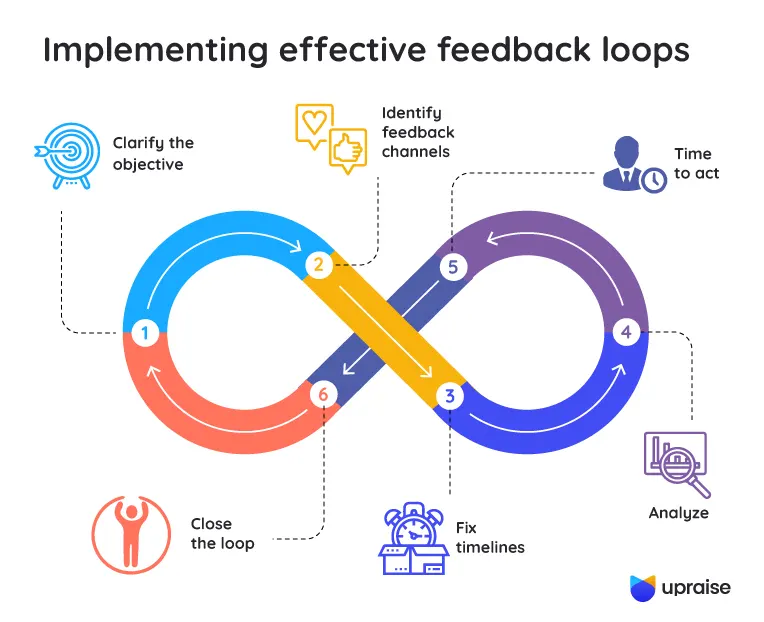
The Evolution of Workplace Communication: Moving Beyond Annual Reviews
For decades, the “annual review” was the gold standard. However, data from 2026 confirms that waiting 365 days to discuss performance is detrimental to employee morale, employee engagement, and project outcomes. Continuous feedback loops transform communication from a dreaded administrative task into a strategic asset.
When feedback is persistent, it loses its “scary” connotation. It ceases to be a judgment and becomes a collaborative problem-solving exercise and an opportunity for coaching conversations that drive skill development. By integrating feedback into the natural flow of work—during stand-ups, project retrospectives, or one-on-one syncs—teams can iterate faster and reduce the risk of major errors.
Why Real-Time Adjustments Matter
The primary benefit of a persistent loop is agility. In 2026, market conditions shift in weeks, not years. If a team is operating on outdated feedback, they are essentially driving a high-speed vehicle while looking in the rearview mirror. Real-time feedback allows for data-driven adjustments, enabling leaders to pivot strategy, reallocate resources, ensure goal alignment, and support struggling team members before a minor issue becomes a systemic failure.
Building a Culture of Radical Transparency and Trust
Trust is the currency of high-performing teams. Without it, feedback is often perceived as criticism, leading to defensive behavior, disengagement, and a lack of team cohesion. Persistent feedback loops act as a trust-building mechanism because they normalize vulnerability and growth.
When feedback is frequent, it becomes granular, often incorporating insights from various sources, akin to a continuous 360-degree feedback approach. Instead of broad, vague statements like “you need to be more proactive,” a persistent loop allows for specific, actionable guidance: “In that client meeting, I noticed you held back during the brainstorming phase; next time, let’s try to get your ideas out earlier to set the tone.”
The Psychology of Psychological Safety
Psychological safety is the bedrock of innovation. By creating a environment where anyone can provide feedback—upwards, downwards, and laterally—you democratize improvement. This transparency ensures that:
Blind spots are minimized: Everyone has a clearer picture of how their work impacts others.
Bias is reduced: Ongoing conversations provide a more accurate, holistic view of performance than a single moment-in-time assessment.
Engagement increases: Employees feel heard and valued, which directly correlates to higher retention rates.
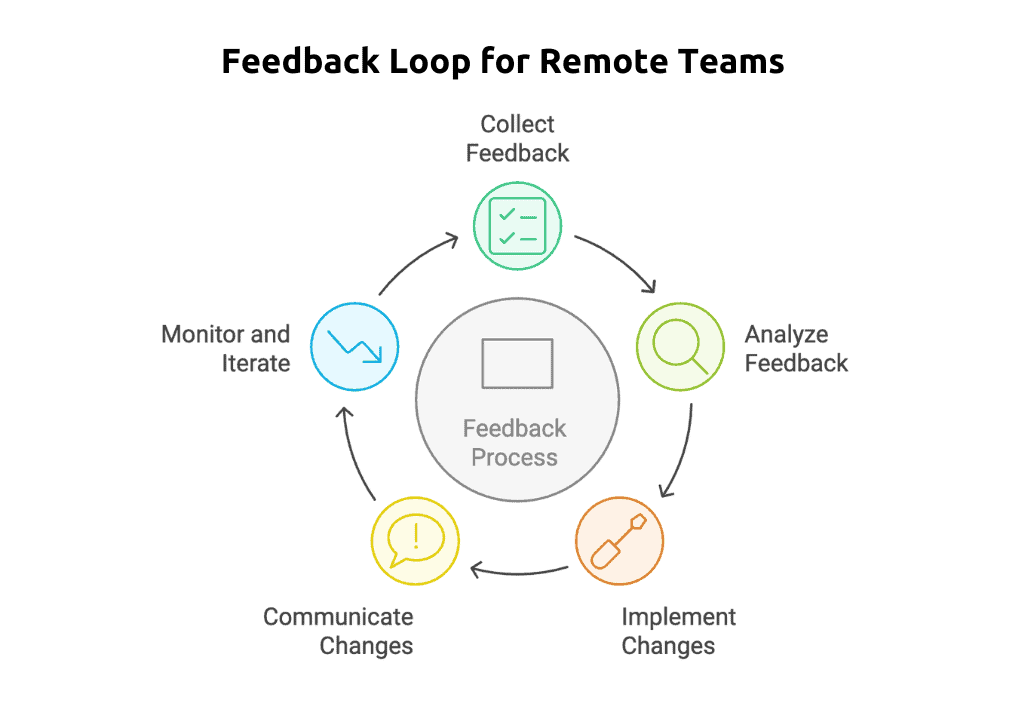
Integrating Feedback into the Hybrid and Remote Workflow
In 2026, the “office” is often a digital space. Remote and hybrid work environments present unique challenges for communication, as non-verbal cues are often lost. Persistent feedback loops are essential for remote team growth because they replace the “watercooler talk” where feedback might have happened organically, fostering a culture of continuous improvement even across distributed teams.
To make this work, teams must utilize asynchronous tools alongside synchronous check-ins. Whether it’s a quick Slack huddle, a video-based feedback loop, or a collaborative project management board, the goal is to make communication frictionless.
Best Practices for Remote Feedback
- Standardize the Cadence: Don’t leave feedback to chance. Schedule recurring 15-minute “pulse checks” that are separate from task-based meetings.
- Focus on “Feed-Forward”: Instead of dwelling solely on past mistakes, use the feedback loop to discuss how to improve the next iteration of the task.
- Leverage Digital Platforms: Use AI-driven analytics tools that track team sentiment and project progress, providing a high-level view of where the team might need extra support.
The Data-Driven Advantage: Using Feedback to Drive Performance
One of the most significant shifts in 2026 is the integration of people analytics into the feedback process. Modern organizations are using sentiment analysis and performance tracking to quantify the impact of feedback loops.
When you track the efficacy of your feedback, you gain insights into team dynamics that were previously invisible. You can identify which processes are causing friction, which team members are becoming burnt out, and which projects are gaining the most momentum. This is the data-driven adjustment that allows leaders to scale their teams effectively.
Measuring the Impact
Reduced Time-to-Competency: Teams with active feedback loops onboard new members 30% faster on average.
Higher Project Success Rates: Continuous alignment ensures that the final output matches the client’s or stakeholder’s vision, reducing rework.
Increased Employee Retention: Employees who receive regular, constructive feedback are 2.5x more likely to feel committed to their organization.
Overcoming Resistance: Creating a Feedback-Positive Environment
Implementing a persistent feedback loop is not without its hurdles. Many employees—and even managers—are conditioned to fear feedback. The key to overcoming this is modeling the behavior from the top down.
If leadership is not open to receiving feedback, the rest of the organization will never truly embrace the process. Leaders must actively ask for input: “What is one thing I could have done differently to support you on this project?” When the team sees leadership taking accountability and iterating on their own performance, it creates a safe space for everyone else to do the same.
Tips for Scaling Feedback
Train for Empathy: Provide workshops on how to give “radical candor” without being hurtful.
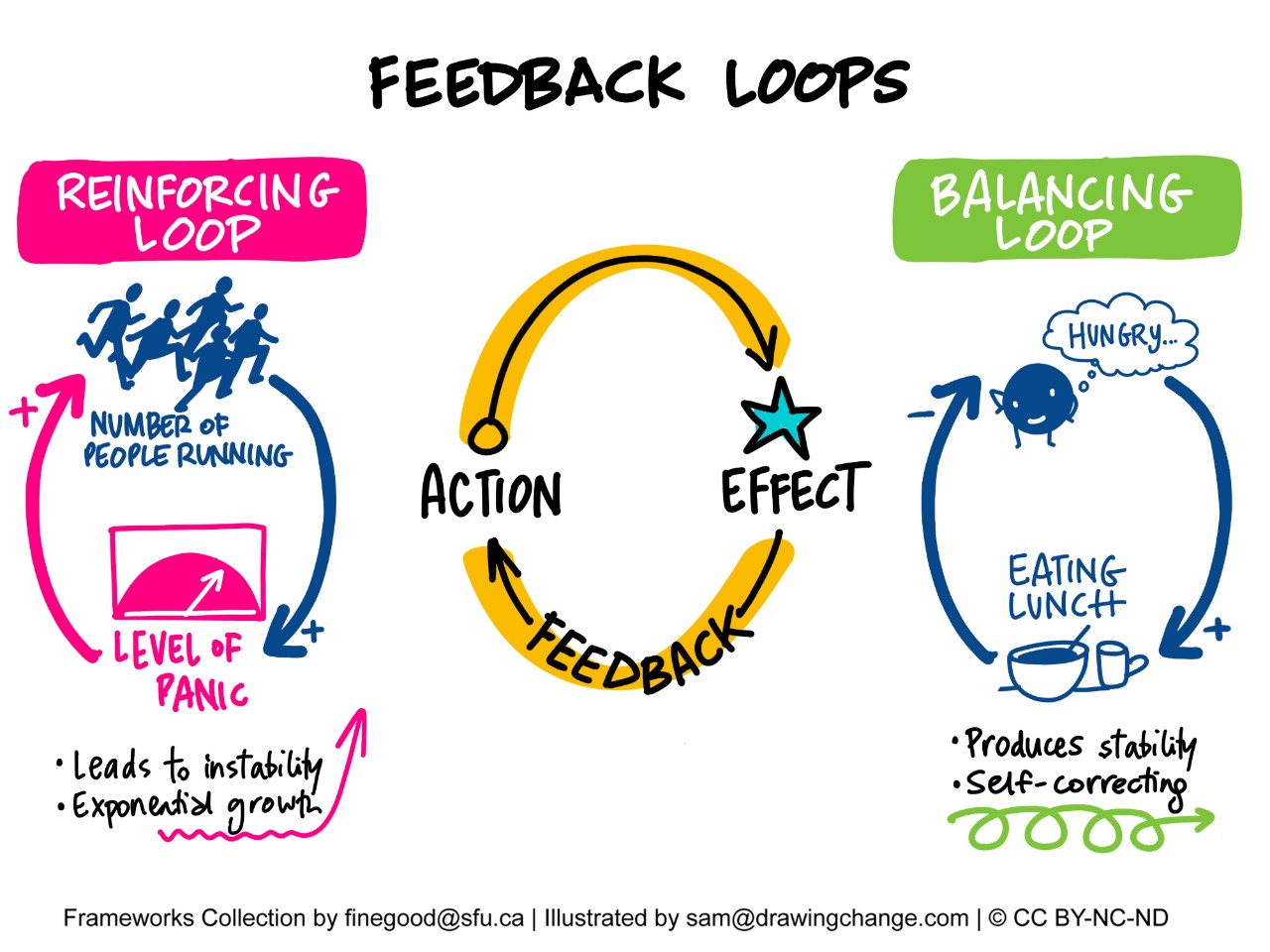
Make it Actionable: If a feedback loop doesn’t result in a change in behavior or process, it becomes “noise.” Always close the loop with a clear next step.
- Celebrate Small Wins: Use feedback loops to acknowledge incremental progress, not just to correct errors. Positive reinforcement is a powerful, often underutilized, part of the feedback cycle.
The Future of Work: Why Persistent Loops are Here to Stay
As we look toward the latter half of 2026 and beyond, the trend toward decentralized, autonomous teams will only accelerate. In these structures, hierarchy is less important than connectivity. Persistent feedback loops serve as the connective tissue that holds these autonomous units together.
Without these loops, teams drift into silos. They lose sight of the organizational mission and begin to prioritize task completion over value creation. By fostering a culture of continuous learning, companies ensure that their teams are not just working harder, but working smarter.
Conclusion: Your Roadmap to Success
Persistent feedback loops are the definitive competitive advantage for the modern organization. They provide the agility to navigate market volatility, the trust to foster innovation, and the data to drive sustainable performance.
If you haven’t yet integrated a persistent feedback structure into your team’s workflow, start today. Begin by setting a consistent cadence, modeling the behavior you want to see, and focusing on actionable improvement. In the fast-paced world of 2026, the teams that learn the fastest are the ones that win. Don’t wait for an annual review to unlock your team’s potential—start the loop today.