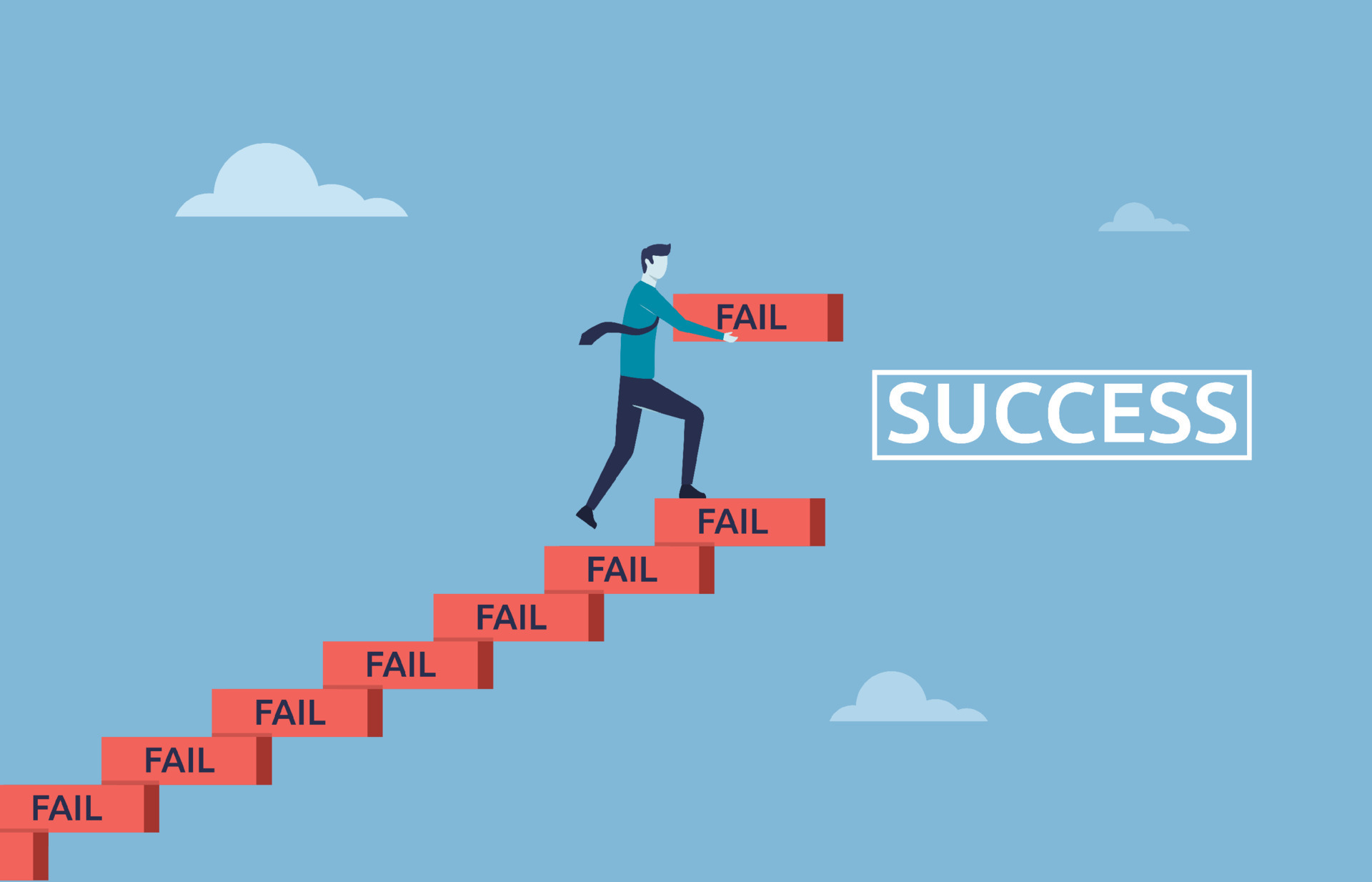
Beyond Excuses: 10 Actionable Ways to Achieve Your Goals Despite Setbacks
The siren song of excuses can be incredibly alluring. It whispers of comfort, of the external forces that conspire against us, of reasons why “this time” is different. Yet, true progress, the kind that carves indelible marks on the tapestry of our lives, is woven not from justifications, but from relentless action. Setbacks are not roadblocks; they are merely detours on the grand highway to your aspirations. This is your roadmap, your arsenal of ten potent strategies to dismantle the edifice of excuses and forge ahead, unyielding.
The Anatomy of an Excuse
Before we can transcend them, we must understand the insidious nature of excuses. They often masquerade as valid reasons, but at their core, they are a defense mechanism against perceived failure, a shield against the discomfort of responsibility. Whether it’s “I don’t have enough time,” “It’s too difficult,” or “I’m not good enough,” these phrases are the mortar holding back the dam of your potential.
Why Setbacks Feel Like Roadblocks
Life, in its magnificent unpredictability, will inevitably present challenges. These can range from minor inconveniences to seismic shifts that shake the very foundations of our plans. When we view these as insurmountable barriers rather than learning opportunities, our progress grinds to a halt. The key lies in shifting our perspective, transforming the narrative from victimhood to agency.
10 Actionable Strategies to Transcend Excuses and Achieve Your Goals
Here are ten powerful, actionable strategies to equip you for the journey, ensuring that setbacks become mere stepping stones on your path to success:
1. Unearth Your “Why”: The Compass of Purpose
The bedrock of any successful endeavor is a deep, resonant understanding of your motivation. Your “why” is the unwavering force that propels you forward when the immediate rewards seem distant. It’s the emotional anchor that keeps you tethered to your goals even amidst turbulent times.
| Action | Description | Outcome |
|---|---|---|
| Goal Excavation | Write down your core motivations for each goal. | Clarity and sustained drive. |
| Future Visioning | Paint a vivid picture of life post-achievement. | Inspiring daily focus. |
| Journaling | Regularly document the impact of your “why”. | Reinforcement and recalibration of purpose. |
2. Architect Your Action Plan: From Dream to Blueprint
Vague aspirations are akin to castles in the sand. To build something lasting, you need a robust blueprint. Breaking down monumental goals into smaller, digestible, and actionable steps transforms the overwhelming into the achievable. This provides structure and a clear path forward, even when the ultimate destination feels distant.
| Action | Description | Outcome |
|---|---|---|
| Decomposition | Divide your main goal into smaller, manageable tasks. | Reduced intimidation and clear progress markers. |
| Timeline Creation | Assign realistic deadlines to each sub-task. | Accountability and momentum. |
| Resource Identification | Determine what tools, knowledge, or support you’ll need for each step. | Proactive problem-solving. |
3. Embrace the “What If” Mindset: Proactive Problem-Solving
Instead of shying away from potential obstacles, lean into them. Imagine the “what ifs” that could derail your progress and devise proactive solutions. This foresight transforms potential roadblocks into pre-planned detours, minimizing their disruptive power.
| Action | Description | Outcome |
|---|---|---|
| Obstacle Brainstorming | List potential challenges that might arise. | Anticipation and preparedness. |
| Solution Formulation | For each obstacle, brainstorm at least two mitigation strategies. | Resilience and adaptability. |
| Contingency Planning | Develop backup plans for critical steps. | Minimized impact of unexpected events. |
4. Cultivate the “Growth Mindset” Gardener: Nurture and Flourish
Your beliefs about your abilities are the soil from which your success grows. A growth mindset, as championed by Carol Dweck, posits that our abilities can be developed through dedication and hard work. Embrace challenges as opportunities to learn and improve, rather than as indicators of innate limitations.
| Action | Description | Outcome |
|---|---|---|
| Effort as Learning | Reframe challenges as chances to build skills and knowledge. | Increased persistence and greater learning capacity. |
| Feedback as Fuel | View constructive criticism as valuable data for improvement. | Continuous self-refinement. |
| Embrace Struggle | Understand that difficulty is a natural part of the learning process. | Reduced fear of failure and enhanced problem-solving. |
5. Reframe Setbacks as Data Points: The Scientist Within
Every setback is a valuable data point. Instead of viewing it as a personal failing, analyze it with the objectivity of a scientist. What went wrong? What could have been done differently? This analytical approach allows you to extract crucial lessons that will inform your future actions, making you more effective with each iteration.
| Action | Description | Outcome |
|---|---|---|
| Post-Mortem Analysis | After a setback, objectively review what happened. | Identification of root causes and lessons learned. |
| Pattern Recognition | Look for recurring themes in your setbacks. | Strategic adjustments to avoid future pitfalls. |
| Iterative Improvement | Apply the learnings from analysis to refine your approach. | Increased efficiency and higher probability of success. |
6. The “Power of Five” Rule: Small Wins, Big Momentum
Don’t underestimate the power of consistent, small actions. The “Power of Five” rule suggests committing to just five minutes of focused work on your goal each day. This seemingly small commitment builds momentum, creates a habit, and prevents the inertia that often stems from trying to tackle too much at once.
| Action | Description | Outcome |
|---|---|---|
| Daily Commitment | Dedicate a minimum of five minutes to your goal daily. | Habit formation and consistent progress. |
| Task Initiation | Use the five minutes to simply start a task, rather than complete it. | Overcoming initial resistance and building flow. |
| Momentum Building | Leverage the momentum gained from the initial five minutes to continue. | Increased productivity and reduced procrastination. |
7. Sculpt Your Environment: The Architects of Your Surroundings
Your environment plays a significant role in shaping your behavior. Create a physical and digital space that supports your goals and minimizes distractions. Remove temptations, surround yourself with inspiration, and make it easier to do what you need to do.
| Action | Description | Outcome |
|---|---|---|
| Declutter Space | Organize your workspace to eliminate visual distractions. | Improved focus and reduced mental clutter. |
| Digital Hygiene | Turn off notifications, block distracting websites. | Enhanced concentration and productive time. |
| Inspirational Cues | Place reminders of your goals, motivational quotes, or relevant imagery. | Constant reinforcement of purpose. |
8. The Accountability Alliance: Strength in Numbers
Share your goals with trusted friends, mentors, or join a community of like-minded individuals. The act of declaring your intentions to others creates a powerful sense of accountability. Knowing that someone else is invested in your progress can be a significant motivator when self-discipline falters.
| Action | Description | Outcome |
|---|---|---|
| Goal Sharing | Inform a trusted individual or group about your goals and deadlines. | External motivation and commitment. |
| Progress Check-ins | Schedule regular updates with your accountability partner. | Regular evaluation and course correction. |
| Mutual Support Network | Offer support to others in your alliance, fostering a collaborative spirit. | Shared encouragement and collective problem-solving. |
9. Celebrate Milestones: Fueling the Fire of Progress
The journey to achieving significant goals is often long and arduous. It’s crucial to acknowledge and celebrate the smaller victories along the way. These celebrations serve as powerful affirmations, reinforcing your progress and providing the necessary fuel to keep pushing forward.
| Action | Description | Outcome |
|---|---|---|
| Milestone Mapping | Define clear, achievable milestones within your larger goal. | Tangible markers of progress. |
| Reward System | Plan small, appropriate rewards for reaching each milestone. | Positive reinforcement and sustained motivation. |
| Reflection Time | Take a moment to appreciate how far you’ve come. | Boosted morale and renewed determination. |
10. Practice Radical Self-Compassion: The Unsung Hero
In the pursuit of excellence, it’s easy to become overly critical of ourselves. When setbacks occur, instead of self-recrimination, practice radical self-compassion. Acknowledge that you are human, that mistakes are part of the process, and that you deserve kindness and understanding, especially from yourself.
| Action | Description | Outcome |
|---|---|---|
| Mindful Acknowledgment | Recognize difficult emotions without judgment when setbacks occur. | Emotional regulation and reduced self-criticism. |
| Kind Self-Talk | Speak to yourself as you would a dear friend facing a similar challenge. | Improved mental resilience and self-acceptance. |
| Learning from Imperfection | View mistakes as opportunities for growth, not indictments of character. | Greater courage to take risks and learn. |
The Unwavering Path Forward
Excuses are the phantom limbs of our potential, hindering movement and growth. By consciously adopting these ten actionable strategies, you are not just overcoming setbacks; you are fundamentally altering your relationship with challenges. You are becoming a master architect of your destiny, capable of transforming any obstacle into an opportunity for innovation, learning, and ultimate triumph. The journey will undoubtedly have its twists and turns, but with these tools in your arsenal, you are equipped to navigate them with unwavering resolve, proving that success truly begins where excuses end.
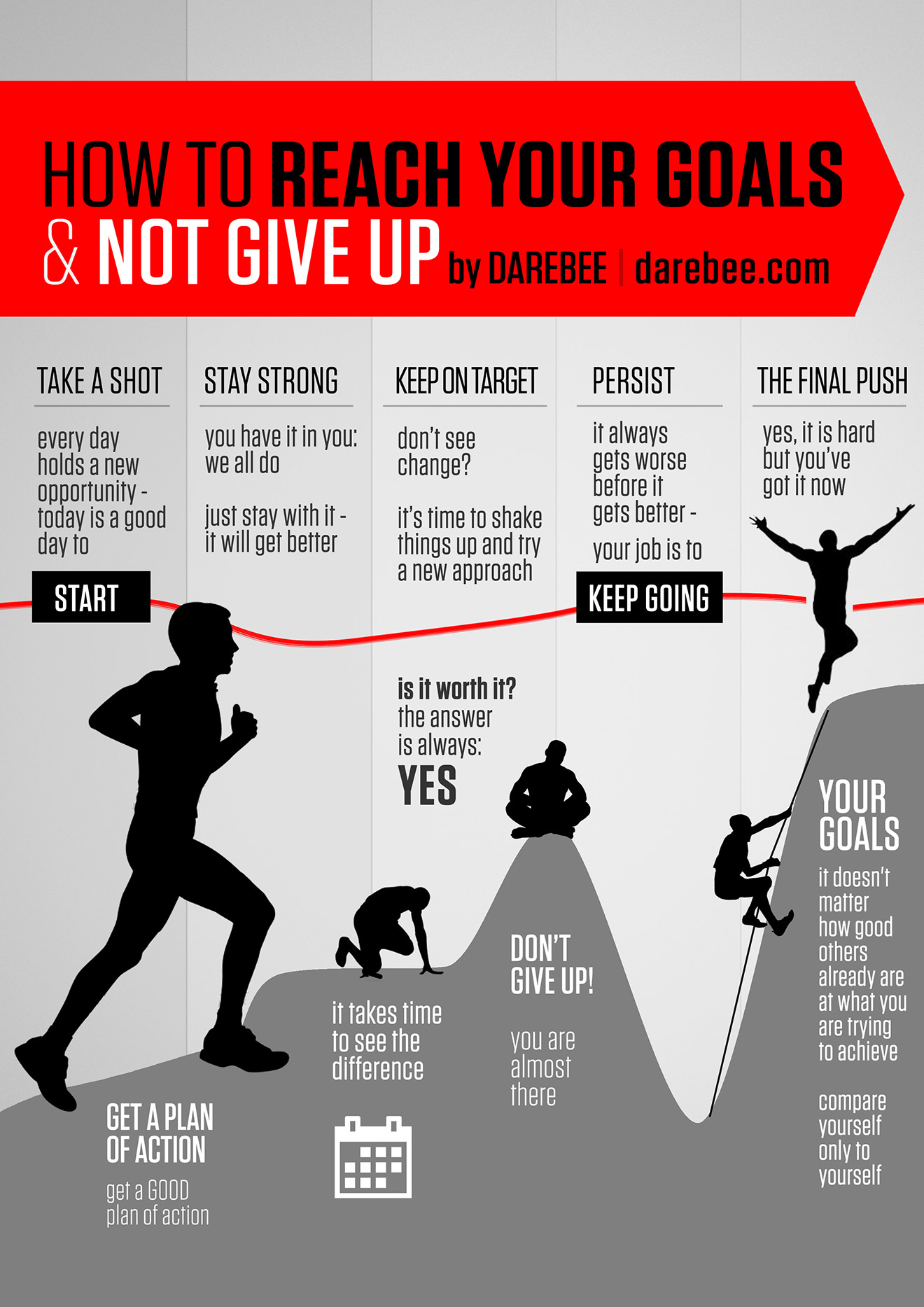
Additional Information
Beyond Excuses: 10 Actionable Ways to Achieve Your Goals Despite Setbacks
The path to achieving any significant goal is rarely a straight, smooth line. It’s often a winding road punctuated by unexpected detours, unforeseen obstacles, and moments of self-doubt. In these challenging times, excuses can become our default defense mechanism, whispering reasons why we should slow down, stop altogether, or even abandon our aspirations. However, true progress lies not in avoiding setbacks, but in developing the resilience and strategic thinking to overcome them.
“Success Begins Where Excuses End: Transforming Barriers into Opportunities” highlights the crucial shift required: recognizing and understanding our personal excuses as a catalyst for change and growth. This isn’t about magically eliminating difficulties; it’s about adopting a mindset and implementing practical strategies that allow us to transform barriers into springboards. As “Success Without Excuses: Just Action” emphasizes, obstacles can be overcome with the right mindset, consistent action, and an unwavering commitment to never giving up. The power lies in choosing our response and our path forward, regardless of the challenges faced.
This article presents 10 actionable ways to achieve your goals despite setbacks, drawing inspiration from the latest insights on resilience, motivation, and effective action planning.
The Foundation: Mindset and Motivation
Before diving into specific actions, it’s crucial to establish a solid foundation. Setbacks can chip away at our confidence, making us question our ability. The strategies in “10 Strategies for Overcoming Setbacks in Building Your Confidence” remind us that we can rise like a phoenix, reclaiming self-assurance by transforming obstacles into opportunities and self-doubt into unwavering self-belief.
1. Identify Your “Why” (The Unwavering Compass)
As highlighted in “How to Stop Making Excuses and Start Taking Action,” your “why” is the powerful motivator that fuels your journey. When faced with a setback, revisiting the core reasons behind your goal can reignite your passion. Actionable Step: Dedicate time to write down precisely why each goal is important to you. What positive changes will its achievement bring to your life? What impact will it have on others? Keep this written statement visible and refer to it during moments of doubt.
2. Embrace the Growth Mindset (Obstacles as Learning Opportunities)
The concept of a growth mindset, championed by Carol Dweck, is essential. Instead of viewing setbacks as indicators of failure, see them as valuable learning opportunities. “10 Strategies for Turning Setbacks into Comebacks” emphasizes reframing difficulties and harnessing inner strength. Actionable Step: When a setback occurs, ask yourself: “What can I learn from this experience?” Instead of focusing on what went wrong, analyze what you can do differently next time. This active learning process builds resilience.
3. Cultivate Self-Compassion (Kindness in the Face of Adversity)
When things don’t go as planned, it’s easy to be self-critical. However, harsh self-judgment can be paralyzing. Actionable Step: Practice self-compassion. Acknowledge that setbacks are a normal part of life and that you are not alone in experiencing them. Speak to yourself with the same kindness and understanding you would offer a friend facing a similar challenge. This helps to alleviate the emotional burden of setbacks.
Strategic Action: Navigating the Roadblocks
With a strong mindset in place, we can focus on practical strategies to keep moving forward. “Overcoming obstacles to achieve goals is a fundamental aspect of performance, personal growth and change,” as noted by “11 ways to break through the obstacles that stop you reaching your goals.”
4. Break Down Your Goals into Smaller, Manageable Tasks (The Staircase Approach)
Large goals can feel overwhelming, especially when you encounter a roadblock. “Actionable plans provide structure and clarity, turning abstract dreams into tangible goals,” states “Turn Your Excuses Into Reasons For Action.” Actionable Step: Deconstruct your overarching goal into smaller, more achievable sub-goals or tasks. This makes progress feel more attainable and allows you to celebrate smaller victories along the way, building momentum.
5. Develop a Contingency Plan (The “What If” Strategy)
Setbacks are often unforeseen. Having a proactive approach can significantly mitigate their impact. Actionable Step: For each significant goal, brainstorm potential obstacles and develop a contingency plan for each. Ask yourself, “What if X happens?” and then outline a few potential solutions or alternative approaches. This foresight empowers you to react swiftly and effectively when challenges arise.
6. Seek Support and Accountability (The Power of Connection)
You don’t have to navigate challenges alone. Connecting with others can provide invaluable perspective and encouragement. Actionable Step: Identify individuals in your life – friends, family, mentors, or colleagues – who can offer support and hold you accountable. Share your goals and your struggles with them. Regularly check in and ask for their feedback or assistance. This creates a network of support that can buffer against setbacks.
7. Focus on Progress, Not Perfection (The Marathon, Not the Sprint)
The pursuit of perfection can be a major source of excuses and a breeding ground for setbacks. It often leads to procrastination or an inability to move forward if conditions aren’t ideal. Actionable Step: Shift your focus from achieving a flawless outcome to making consistent progress. Celebrate small wins and acknowledge the effort you’re putting in, even if the results aren’t yet perfect. Remember that consistent, imperfect action is far more effective than delayed, perfect inaction.
Rebounding and Realigning: Turning Setbacks into Comebacks
The ability to bounce back from adversity is a hallmark of successful individuals. “Turning Setbacks into Comebacks” emphasizes the combination of mindset shifts and practical strategies.
8. Re-evaluate and Realign Your Approach (The Course Correction)
Sometimes, a setback is a clear signal that your current strategy isn’t working. It’s not about abandoning the goal, but about adjusting the path. Actionable Step: When faced with a significant obstacle, take time to objectively re-evaluate your approach. Is your strategy still aligned with your goal? Are there other methods or resources you could employ? Be open to making necessary adjustments to your plan.
9. Maintain Momentum Through Consistent Small Actions (The Daily Grind)
Even after a setback, the most effective way to regain traction is through consistent, albeit small, actions. “Success Without Excuses: Just Action” reminds us that no matter what challenges you face, you have the power to choose your response and your path forward. Actionable Step: Commit to taking at least one small, consistent action towards your goal every day. This could be a short study session, a brief planning period, or a quick networking call. These small, consistent efforts build momentum and prevent you from losing entirely.
10. Visualize Success and Reaffirm Your Commitment (The Future Vision)
During difficult times, it’s easy to lose sight of the end goal. Reconnecting with the vision of your success can be a powerful motivator for overcoming obstacles. Actionable Step: Regularly visualize yourself achieving your goal. Imagine the feeling of accomplishment, the benefits it will bring, and the positive impact it will have. Reaffirm your commitment to yourself and your aspirations. This mental rehearsal strengthens your resolve and provides the encouragement needed to push through adversity.
Conclusion: The Power is Within You
Achieving your goals despite setbacks is not about possessing some innate talent or avoiding all difficulties. It’s about cultivating a resilient mindset, adopting strategic approaches, and committing to consistent action. By understanding and reframing your excuses, identifying your unwavering “why,” and implementing these 10 actionable strategies, you can transform every obstacle into a stepping stone, moving closer to your aspirations with determination and grace. The power to overcome lies not in the absence of challenges, but in your unwavering commitment to keep moving forward, no matter what.