How To Make New Year Resolutions Actually Stick All Year Long: A 2026 Blueprint for Lasting Change

It is January 2026, and the annual ritual of personal reinvention is in full swing. Across the globe, millions of people are mapping out their aspirations, from financial freedom and career advancement to physical health and mental clarity. Yet, the “February slump” remains a persistent reality. Data from late 2025 indicates that nearly 80 percent of New Year resolutions fail before the second month of the year concludes. This is not a failure of character, nor is it a lack of willpower. It is a failure of system design.
In 2026, the approach to goal setting has evolved. We have moved past the era of raw motivation and into the era of behavioral engineering. If you want your goals to survive the transition from January to December, you must stop treating them as finish lines and start treating them as lifestyle infrastructure. This guide provides a modern, science-backed roadmap to ensure your intentions transform into permanent habits.
The Neuroscience of Habit Formation in 2026

The primary reason most resolutions fail is that the brain is hardwired to conserve energy. When you introduce a drastic change—like suddenly waking up at 5:00 AM or cutting out sugar entirely—your brain perceives it as a threat to your homeostasis. This leads to cognitive resistance. To make resolutions stick, you must bypass this resistance by focusing on neuroplasticity. You are not just setting a goal; you are literally rewiring your brain’s neural pathways.
Recent studies in behavioral psychology suggest that it takes anywhere from 18 to 254 days to form a new habit, with an average of 66 days. By acknowledging this timeline, you can adjust your expectations. Instead of expecting a “new you” by January 15th, aim for incremental progress. When you prioritize consistency over intensity, you lower the threshold for your brain to accept the new behavior as a standard part of your daily routine.
1. Beyond SMART: The Dynamic Goal Framework

While the traditional SMART goal framework (Specific, Measurable, Achievable, Relevant, Time-bound) remains a gold standard, it is often insufficient for the complexities of 2026. To truly succeed, you must add a layer of dynamic adaptability. Life is unpredictable, and rigid goals often break when faced with unavoidable obstacles.
Instead of setting a static goal, create a “Minimum Viable Habit” (MVH). For example, if your goal is to “exercise for 60 minutes five times a week,” create an MVH of “10 minutes of movement daily.” On days when you are overwhelmed or exhausted, the 10-minute version keeps the habit alive. This prevents the “all-or-nothing” trap, ensuring that you never miss two days in a row—a critical rule for long-term consistency.
2. Advanced Habit Stacking and Environmental Design
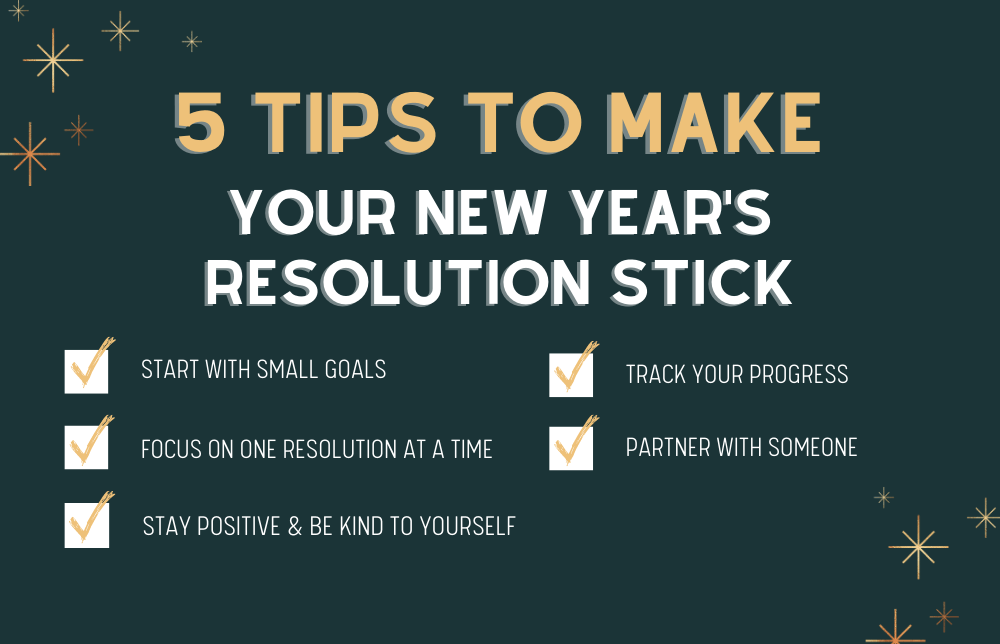
In 2026, the most successful individuals are those who master environmental design. Your environment—both digital and physical—dictates your behavior more than your intentions do. Habit stacking is a proven technique, but it requires intentionality. To stack effectively, you must identify a current, “locked-in” habit and anchor your new behavior directly to it.
Consider these examples of modern habit stacking:
- The Digital Hygiene Stack: While your morning coffee brews, delete three unnecessary emails.
- The Commute Stack: If you take public transit, listen to an educational podcast for the duration of your ride.
- The Post-Work Stack: As soon as you close your laptop, change into your gym clothes immediately.
By automating your environment, you reduce the decision fatigue that often leads to procrastination. If you want to drink more water, place a full carafe on your desk the night before. If you want to read more, place a book directly on your pillow. Remove the friction between you and the desired action.
3. The Power of Identity-Based Habits
The most profound shift in 2026 goal setting is moving from outcome-based goals to identity-based habits. Most people focus on what they want to achieve (e.g., “I want to lose 20 pounds”). This approach is flawed because it relies on a future result that is often outside your immediate control.
Instead, focus on the person you want to become. Ask yourself: “What would a healthy person do in this situation?” When you view your habits as evidence of your identity, the behavior becomes easier to maintain. You are not “trying to quit smoking”; you are “a person who values lung health.” When you miss a workout, you are not “failing a resolution”; you are simply acting out of character. This shift in mindset makes consistency a matter of self-integrity rather than a chore.
4. Tracking Progress with Data-Driven Accountability
In 2026, we have unprecedented access to quantified self-data. Whether you use a high-tech wearable, a simple habit-tracking app, or a classic analog journal, the act of logging your progress is a psychological anchor. Tracking provides a feedback loop that rewards your brain with a sense of accomplishment.
However, avoid the trap of “vanity metrics.” Don’t just track the result; track the process. If your goal is to save money, tracking your net worth once a month is less effective than tracking your daily “no-spend” days. By focusing on the leading indicators—the daily actions you control—rather than the lagging indicators—the final result—you maintain a sense of agency throughout the year.
5. The Art of the “Reset,” Not the “Quit”
One of the most important lessons for 2026 is that perfection is the enemy of progress. Life will inevitably interfere with your resolutions. You will have a week where you eat poorly, skip the gym, or fall behind on your reading. The difference between those who succeed and those who quit is the ability to perform a strategic reset.
Do not wait until next January to start over. If you fall off the wagon, treat it as a data point. Ask yourself: “What environmental factor caused this lapse?” and adjust your system accordingly. Implementing a “reset protocol”—such as a 24-hour digital detox or a meal-prep Sunday—can help you get back on track without the shame cycle that typically leads to total abandonment.
Frequently Asked Questions
Why do most people abandon their resolutions by February?
The primary reason is cognitive overload. People often set too many ambitious goals simultaneously, leading to decision fatigue. When the initial spike of dopamine from setting the goal fades, the lack of a sustainable system makes it difficult to maintain the effort.
Is it better to focus on one big resolution or several small ones?
Research suggests that focusing on one to two keystone habits is significantly more effective. A keystone habit is one that naturally triggers other positive changes. For example, focusing on consistent morning exercise often leads to better sleep and improved dietary choices without requiring separate goals for each.
How do I handle goals that require long-term patience?
Use milestone visualization. Break your long-term objective into 30-day sprints. By focusing on what you need to achieve in the next four weeks, you keep the goal tangible and manageable, preventing the “marathon fatigue” that discourages long-term progress.
What should I do if my goals change halfway through the year?
It is perfectly acceptable to pivot. The goal is personal growth, not adherence to a list you wrote in January. If a goal no longer aligns with your evolving values, refine it or replace it. Flexibility is a hallmark of success in an ever-changing world.
Conclusion
Making your New Year resolutions stick in 2026 is not about summoning more willpower; it is about building a life where your desired habits are the path of least resistance. By utilizing habit stacking, focusing on identity-based goals, and embracing incremental, process-oriented progress, you move away from the cycle of failure. Remember that the calendar is just a tool; the work you do in the quiet moments of February, May, and September is what defines your success. Start small, stay consistent, and trust the systems you have built to carry you through the year.