
In the fast-paced landscape of 2026, the secret to high performance isn’t working harder—it’s automating your cognitive load. If you feel like you are constantly battling decision fatigue, it is likely because your day lacks a robust system. By transforming your daily habits into automatic routines, you reclaim mental energy for the tasks that truly move the needle.
Creating a persistent routine is not about rigid discipline; it is about building architectural support for your goals. When your routine becomes automatic, you stop relying on willpower and start relying on the environment you have carefully constructed.

Why Systems Beat Motivation Every Time
Motivation is a fleeting resource, but systems are renewable. In 2026, the most successful individuals are those who have stopped trying to “force” productivity and started designing their days to make success the path of least resistance.
A system is simply a series of actions that occur in a specific order to produce a predictable outcome. When you remove the need to decide what to do next, you save precious mental bandwidth. This is the core principle of streamlining your life: reduce the friction of starting.
1. Implement Energy-Based Task Scheduling
Instead of scheduling tasks by time alone, categorize your to-do list by energy levels. By 2026, data-driven productivity tools suggest that matching high-focus work with your natural circadian peaks is the ultimate hack for efficiency.
- Morning (Peak Energy): Tackle high-stakes creative or analytical work.
- Mid-Day (Low Energy): Handle administrative tasks, emails, and meetings.
- Evening (Recovery): Focus on light planning for the next day.
2. Use Time-Blocking for Deep Work
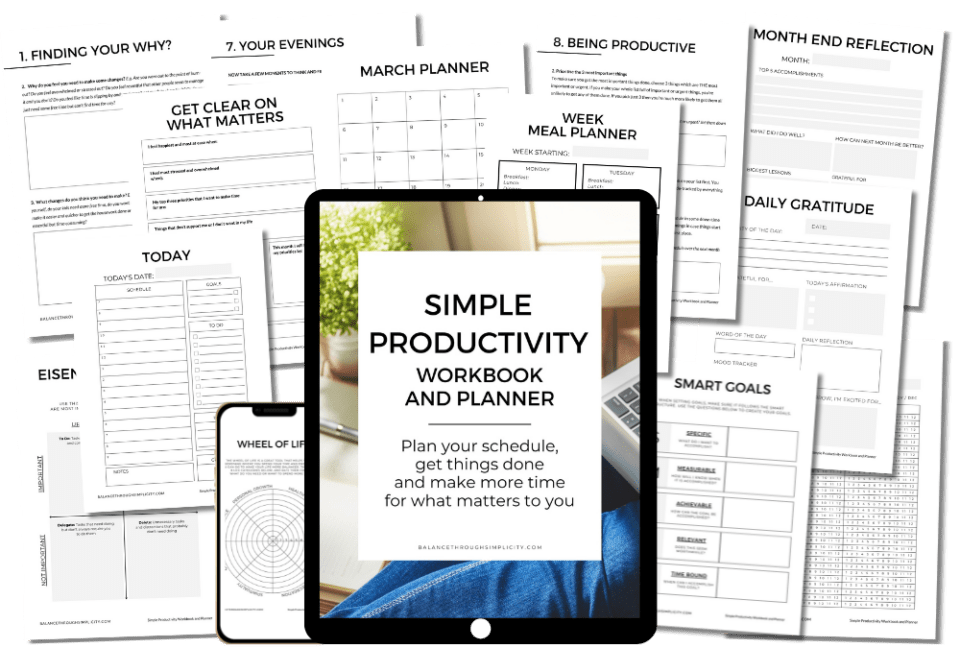
Time-blocking is the gold standard for preventing burnout. By dedicating specific blocks of time to singular tasks, you eliminate the productivity-killing habit of multitasking.
When you block your calendar, treat those slots as non-negotiable appointments with yourself. This creates a psychological boundary that keeps you focused, persistent, and calm, knowing that every important task has a home on your schedule.
3. The “Reset” Habit: Closing the Loop
One of the most effective ways to make your routine persistent is the daily reset. Before you end your workday, spend ten minutes clearing your digital workspace and writing down your top three priorities for tomorrow.
This simple system ensures that you wake up with a clear roadmap, removing the “where do I start?” anxiety that often leads to procrastination. It is the bridge between a chaotic day and a structured one.
4. Leverage Digital Automation Tools
In 2026, AI-driven personal assistants can handle the mundane, repetitive parts of your life. Automate your bill payments, grocery lists, and even basic email filtering.
- Automate recurring tasks: Use software to handle scheduling.
- Digitize your to-do list: Centralize your tasks so they don’t live in your head.
- Batch processing: Group similar tasks like meal prep or laundry to save time.

5. Build “Habit Stacking” into Your Morning
Habit stacking is the process of attaching a new, desired behavior to an existing one. For example, if you already drink coffee every morning, make that the trigger to review your goals for the day.
This persistence strategy works because you are leveraging an existing neural pathway. You don’t have to “remember” to do the new task; the old habit acts as a natural prompt.
Key Habits for a More Organized Life
To make your routines truly automatic, consider integrating these simple habits into your daily flow:
- Preparation the night before: Lay out your clothes and work tools.
- Structured breaks: Use the Pomodoro technique to maintain focus.
- Financial check-ins: Spend 5 minutes weekly tracking expenses to avoid stress.
- Single-tasking: Commit to finishing one task before starting another.
- Digital decluttering: Clear your desktop and inbox every Friday.
Overcoming the “Consistency Gap”
The biggest hurdle to a persistent routine is the consistency gap—the period where the new system feels awkward. To overcome this, focus on micro-habits. If you want to start a 60-minute morning workout routine, start with just 10 minutes.
The goal is to establish the identity of someone who follows a system. Once the routine is automatic, you can scale the intensity. Remember, in 2026, the most effective systems are those that are sustainable, not just productive.
Conclusion
Making your daily routines feel automatic is the ultimate form of self-care. It reduces the mental load of daily existence, allowing you to focus on growth, creativity, and enjoyment. By implementing these simple systems—energy scheduling, time-blocking, and habit stacking—you can transform a chaotic life into a rhythm of effortless productivity. Start small, stay consistent, and watch how your systems do the heavy lifting for you.